
Building Sustainable No-Subscription Discovery Habits
OnlyFans gives subscribers no built-in search directory, so finding no-subscription pages means building an external discovery routine. This guide lays out that routine step by step: where to look, how to verify what you find, and how to keep the whole process safe and repeatable. BestOnlyFans appears here as a reference point for ranking methodology, not as a shortcut around verification.
The habits below are designed for people who want to browse complimentary pages without wasting money or exposing personal data. Each section covers one stage of the process, from community entry points to privacy controls.
Why OnlyFans Lacks Native Discovery Tools
OnlyFans was built as a subscription management tool, not a discovery platform. There is no searchable directory, no recommendation feed, and no category browsing inside the product itself. That design choice pushes all discovery work onto the subscriber.
This gap explains why third-party ranking sites, subreddit threads, and social media bios carry so much weight in the ecosystem. Without an internal index, the external web becomes the de facto search layer. Subscribers who understand this adapt their habits early instead of assuming the platform will surface options for them.
The practical consequence is that discovery becomes a research skill. You are not browsing a catalog; you are assembling one from scattered signals and cross-checking each entry as you go.
Reddit Communities as Curated Entry Points
Reddit remains one of the most structured places to find creator recommendations, largely because moderation teams filter low-effort posts. The best communities maintain posting rules, require link verification, and remove spam accounts quickly.
When you review a recommendation thread, look at how the community governs itself. A well-run subreddit shows active moderation, publicly visible rules, and a consistent format for review posts. Weak communities let promotional accounts post unchecked links with no accountability.
Six markers separate a trustworthy community from a link farm:
- Active moderation: moderators respond to reports and remove rule-breaking posts within a reasonable window.
- Creator self-verification flairs: the actual creator confirms identity inside the community rather than relying on a third party.
- User review threads: existing subscribers post structured feedback instead of one-line praise.
- Cross-platform link requirements: posts must include matching handles on other platforms.
- Posting history standards: accounts need minimum age or karma before they can recommend anyone.
- Ban appeals transparency: the moderation team explains removals instead of quietly deleting posts.
Red flags in community recommendations include accounts that only post one creator’s links, threads with suspiciously uniform praise, and any recommendation that avoids naming the platform where the page is hosted.
Social Channel Cross-Referencing Techniques
Twitter, Instagram, and TikTok function as informal verification layers because each platform has its own identity signals. A legitimate creator typically maintains the same handle across all three and links back to the same destination page.
Impersonation accounts usually fail this consistency test. Five warning signs deserve attention before you trust any bio link:
- Mismatched handles: the username differs by a character or stylized substitution from the original.
- Reverse image search failures: profile photos return results from unrelated accounts.
- Recent account creation dates: the profile was made weeks ago despite claiming a long history.
- Identical bio text across fake accounts: the same wording appears on multiple suspicious profiles.
- Missing platform verification badges: established creators often carry a checkmark on at least one platform.
Cross-referencing works best when you compare posting rhythm too. A creator who posts daily on Twitter but shows a dormant OnlyFans page is worth scrutinizing before any payment enters the picture.
Ranking Site Methodology and Data Freshness
Ranking sites fill the discovery gap, but their usefulness depends entirely on how they assemble and refresh data. BestOnlyFans, for example, tracks price datasets and update timestamps so readers can judge whether a listing still reflects reality.
Freshness matters because subscription prices change. A creator can move a free page to a paid tier, adjust PPV pricing, or pause posting entirely. A ranking card without a recent update date tells you nothing reliable.
| Signal | What It Indicates | Action Threshold |
|---|---|---|
| Price history volatility | How often the listed price changed recently | Two or more changes in 60 days: re-verify before subscribing |
| Last-updated timestamp | Whether the data was refreshed recently | Older than 30 days: treat as unconfirmed |
| Activity frequency metrics | How regularly the creator posts | Fewer than four posts monthly: deprioritize |
| Category tagging accuracy | Whether the listing matches actual content | Mismatched tags: skip the entry |
| Subscriber growth trajectory | Whether interest is stable or declining | Sharp unexplained drops: investigate before acting |
A stable price with a recent timestamp and steady activity is a far stronger candidate than a cheap page with no update history.
Treat any ranking card older than a month as a lead to verify, not a fact to trust. Price and activity data decay quickly in this ecosystem.
Verification Protocols Before Payment Entry
Running these five steps in order catches most mismatches before money moves:
- Handle consistency check: confirm the same username across every platform the creator claims.
- Content style matching: compare the free preview material with the paid page’s visible samples.
- Posting frequency confirmation: verify recent activity dates rather than trusting a profile banner.
- Price history review via BestOnlyFans: check whether the listed price has been stable or volatile.
- Trial PPV purchase testing: start with a single low-cost unlock before committing to anything larger.
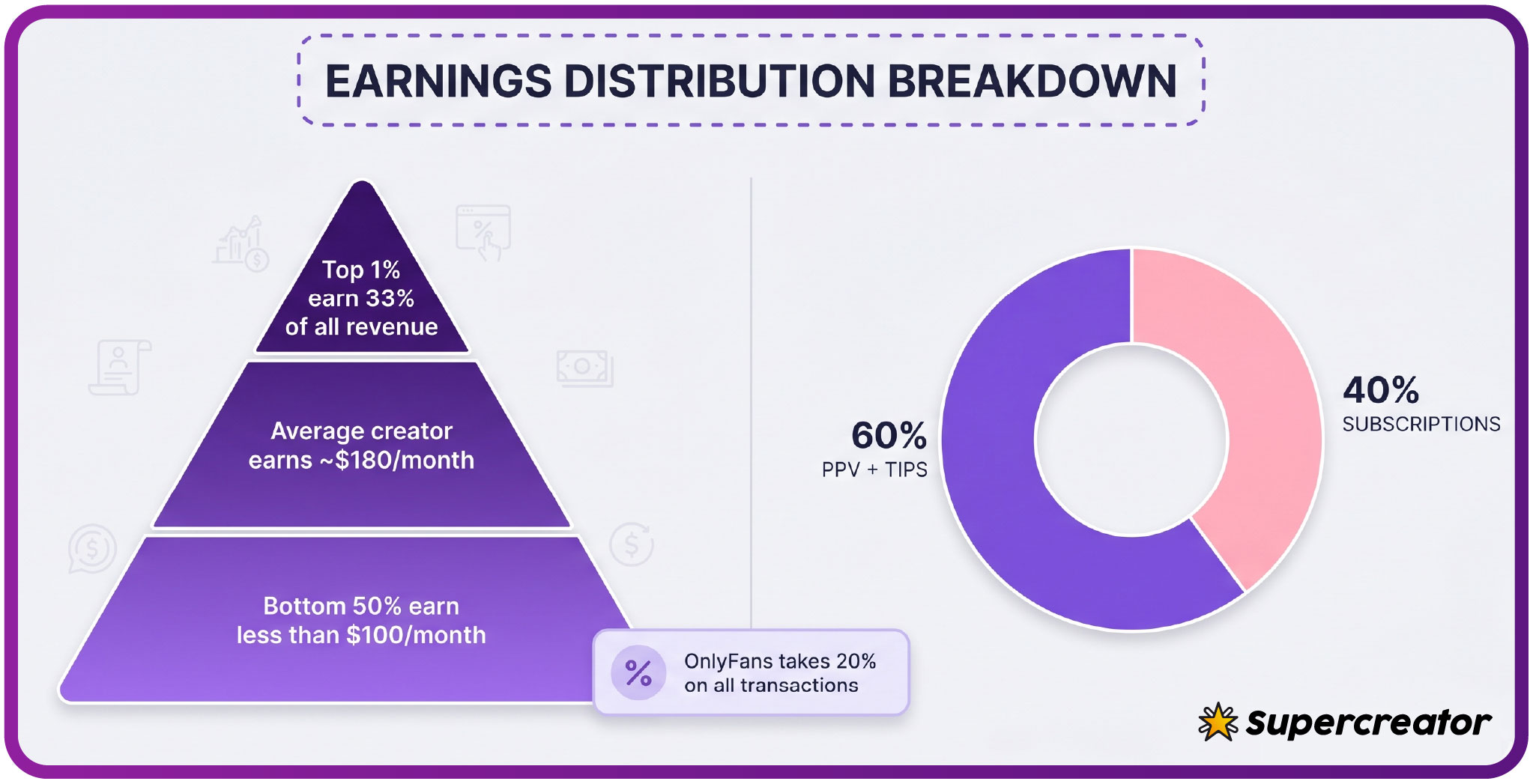
Payment structures themselves follow known rules. Paid subscriptions range from $4.99 to $49.99, with most clustering between $5 and $10. Free pages set the base price at $0 and earn through PPV messages and tips instead. Platform-wide, the fee is 20% on everything, so the creator keeps 80%. PPV unlocks can reach $50, paid chat commonly runs $3 to $5 per message, and tips can climb to $100.
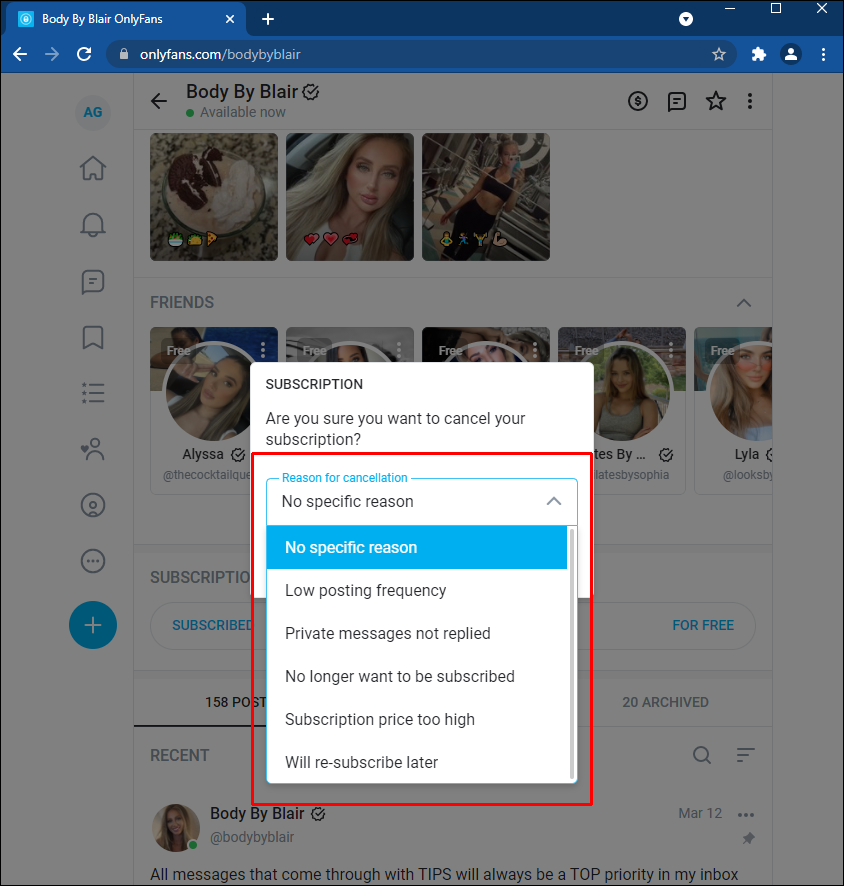
Card verification places a $0.10 hold that is refunded within days. One rule catches many subscribers off guard: when a creator raises the price, auto-renew stops, and existing access simply runs until the paid period ends. There is no surprise charge, but there is also no automatic continuation. Anyone comparing zero-cost routes against paid ones should understand what free onlyfans android setups actually involve before installing anything from an unofficial source.
Managing Multiple Free-Page Follows Without Chaos
Free pages multiply quickly because there is no cost barrier to following one. Within a month, a casual browser can accumulate a dozen follows with unclear spending totals.
Five organizational tactics keep that list manageable:
- Spreadsheet logging: record each page URL, follow date, and any PPV trigger that led to a purchase.
- Monthly cumulative spend caps: set a hard ceiling and stop unlocking once it is reached.
- Calendar reminders: schedule a monthly check for price changes on pages you actually use.
- Folder-based bookmark sorting: group pages by activity level so inactive ones are easy to spot.
- Periodic culling: unfollow pages that have gone quiet for two consecutive months.
The cumulative spend figure matters more than any single purchase. Small unlocks add up, and a spreadsheet makes that total visible before it becomes a problem.

Privacy and Security During External Discovery
External discovery means visiting unfamiliar sites, clicking unknown links, and creating accounts on platforms you may never use again. Each step adds exposure unless you compartmentalize deliberately.
Five privacy measures cover most of the risk:
- Dedicated email alias creation: keep your primary inbox out of every signup form.
- Browser container tabs: isolate discovery sessions from logged-in personal accounts.
- Prepaid card loading limits: cap exposure by funding a card only to the amount you plan to spend.
- VPN server selection: choose a region-appropriate endpoint for consistent access.
- Screenshot abstention protocols: avoid capturing payment screens or account details to shared storage.
Phishing attempts remain the most common threat during this stage. Fake login pages mimic real platforms closely, and the standard rules of phishing detection apply: check the domain, avoid links from unsolicited messages, and never enter credentials on a page you reached through an ad.
Two-factor authentication should be enabled on every account tied to payment information. The extra step slows down unauthorized access attempts and gives you a warning if someone else tries to log in.
When Discovery Efforts Justify Paid Conversion
At some point, the math favors a paid subscription over continued PPV spending. The threshold depends on both cumulative cost and creator reliability.
| Monthly PPV Spend | Creator Reliability | Conversion Recommendation |
|---|---|---|
| Under $5 | Consistent posting, stable price | Maintain free follow |
| $5 to $10 | Consistent posting, stable price | Evaluate paid tier at $4.99-$9.99 |
| $10 to $15 | Regular posting, minor price changes | Upgrade if the paid tier covers the same content |
| Over $15 | Inconsistent posting or stale data | Abandon and reallocate budget |
| Over $15 | Reliable posting, verified across platforms | Upgrade and cancel overlapping follows |
Conversion only makes sense when the paid tier replaces spending you are already doing. Paying for a subscription while continuing the same PPV pattern doubles the cost without adding value.
Promotional first months can sit below $4.99, such as a $3 introductory month, but base prices never drop under $4.99. That distinction matters when a listing advertises an unusually low recurring rate.
Before upgrading, add up three months of PPV spending on that creator. If the total exceeds the paid tier’s price by a clear margin, conversion is justified. If it does not, keep the free follow and revisit next quarter.
FAQ
How do I know a Reddit-recommended creator is legitimate?
Check whether the recommending account has posting history beyond that single creator, whether the community requires cross-platform link verification, and whether the creator’s handle matches across platforms. A recommendation from an account that only posts one set of links carries little weight.
What does a stale the ranking site ranking card indicate?
A stale timestamp means the listed price and activity data may no longer reflect the current page. Treat it as an unverified lead and confirm details directly before acting on it. Price changes and posting pauses happen without notice.
Should I use the same email for OnlyFans as my social accounts?
No. Use a dedicated alias for platform signups so a breach on one service does not expose your primary inbox. Keeping accounts separated also makes it easier to trace which service leaked your address if spam starts arriving.
When does free-page PPV spending exceed paid subscription value?
Once your monthly PPV total on a single creator passes roughly $10 to $15, compare it against that creator’s paid tier price. If the paid tier includes comparable content at a lower monthly figure, conversion usually makes sense. If not, the free follow remains the better option.